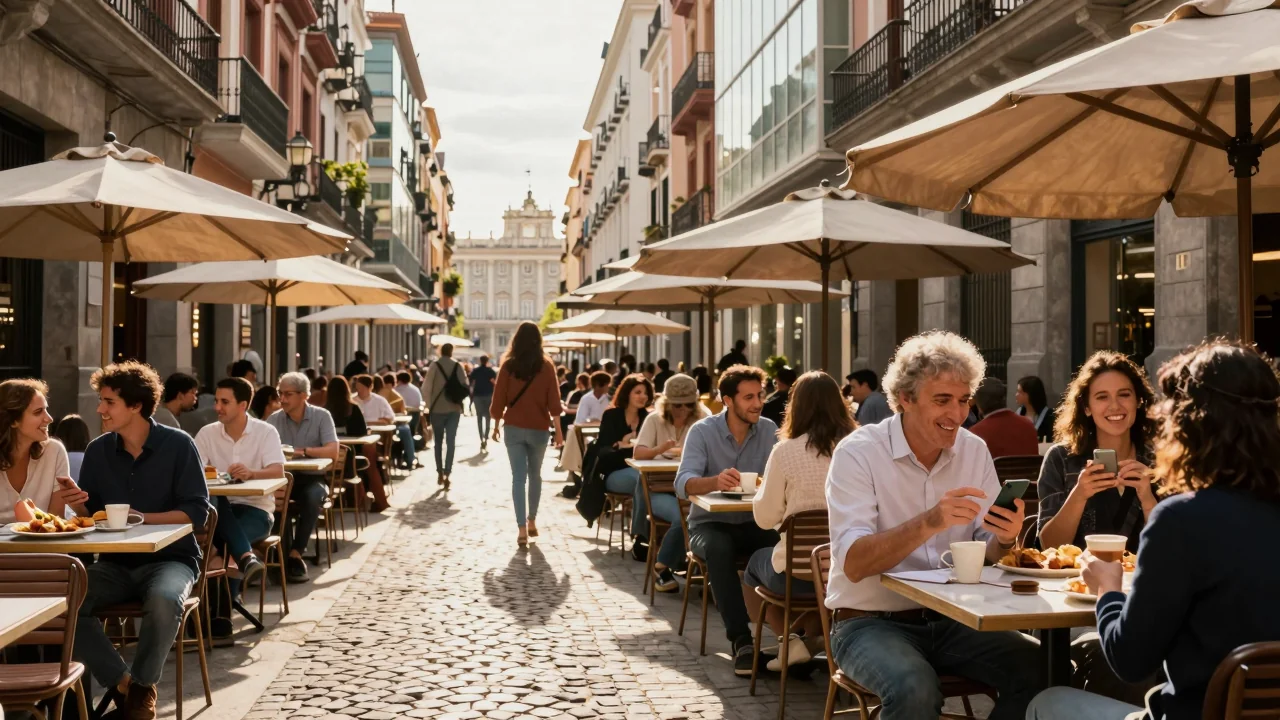
What if you could trade American diners for Madrid’s tapas bars, but still feel at home? For Americans embracing Madrid expat life in 2026, the transition is exciting—but navigating cultural differences and practical hurdles can be overwhelming. Whether you’re moving for work, love, or adventure, this guide cuts through the noise with actionable advice to help you settle in smoothly.
From mastering Spain’s infamous “siesta culture” (yes, it still exists) to decoding local bureaucracy, we’ll cover the essentials. Did you know that as of 2026, digital nomad visas now offer Americans easier access to long-term stays? We’ll break down what that means for you, along with tips on everything from healthcare to finding your new favorite neighborhood. Let’s make your move seamless—and enjoyable.
Navigating Visa and Legal Requirements for Americans
For American expats embracing Madrid expat life in 2026, understanding visa and legal requirements is essential to avoid complications. Spain offers several pathways tailored to different lifestyles, whether you’re working remotely, employed by a local company, or launching a business. The key is knowing which option aligns with your long-term goals before setting foot in the country.
Understanding the Digital Nomad Visa
Spain’s digital nomad visa remains one of the most popular options for Americans seeking Madrid expat life. In 2026, the program continues to attract remote workers and freelancers who want to live in Spain while maintaining employment with non-Spanish companies. The visa allows stays of up to five years, with renewals possible under certain conditions.
Key points to consider include:
– Income requirement: Applicants must prove a minimum annual income of €28,000 (or 120% of Spain’s IPREM index).
– Proof of remote work: Employment contracts or client agreements from companies outside Spain.
– Health insurance: Private coverage that meets Spanish standards is mandatory.
– No local tax obligations: Remote workers pay taxes in their home country during the visa period.
– Family inclusion: Spouses and dependent children can be included under the same application.
The process typically takes 1–3 months, so planning ahead is crucial to avoid delays.
Residency Permits and Work Authorizations
For Americans who secure local employment or plan to work for Spanish companies, residency permits and work authorizations are necessary. The most common route is the Employee Work Visa (Autorización de Trabajo por Cuenta Ajena), which requires a job offer from an employer registered in Spain.
Other options include:
– Self-employed visa: For freelancers or entrepreneurs starting a business.
– Golden Visa: Available to investors with significant capital contributions (€500,000+ in real estate).
– Non-Lucrative Residence Visa: For retirees or individuals with passive income who don’t plan to work.
– EU Blue Card: For highly skilled professionals meeting specific salary and qualification criteria.
Processing times vary, so expats should consult the Spanish consulate for updated guidelines before applying.
Understanding these pathways ensures a smoother transition into Madrid’s vibrant expat community.
Settling Into Madrid Neighborhoods
Madrid’s vibrant neighborhoods each offer a unique slice of expat life, catering to different lifestyles and budgets. For Americans moving to the city, understanding these distinctions is key to finding the right fit. Upscale Salamanca appeals to families and professionals with its luxury boutiques, international schools, and tree-lined streets—think Prada’s flagship store on Calle Serrano or Lladró’s ceramic art galleries. Meanwhile, Chamberí, known for its charming architecture and quiet ambiance, attracts those seeking a balance between urban convenience and residential tranquility. Nightlife lovers often gravitate toward Malasaña, where indie bars like Teatro Kapital and vintage shops thrive in a bohemian atmosphere.
The choice between renting and buying property in 2026 depends on long-term plans and financial flexibility. Madrid’s housing market has stabilized after recent fluctuations, with rental prices averaging €1,500–€2,200 per month for a two-bedroom apartment in central areas. Buying remains competitive, especially in sought-after districts like Retiro, where modern apartments like the Paseo de la Castellana developments start at €600,000. However, expats should factor in Spain’s property taxes and legal processes, which differ from U.S. systems.
“Madrid’s neighborhoods are like microcosms—each with its own rhythm, cost of living, and cultural vibe,” says Maria López, a real estate advisor at CBRE Spain. “Expat clients often prioritize proximity to embassies or international schools, but hidden gems like Tetuán offer affordability without sacrificing connectivity.”
For Americans adjusting to Madrid’s climate, the seasonal shifts are milder than in many U.S. regions—spring and autumn are particularly pleasant. To plan activities accordingly, review the Spain Weather Year Round for American Travelers in 2026 guide, which breaks down temperature trends by month.
As you settle into your new neighborhood, understanding local customs—like siesta hours or weekend tapas culture—will further ease the transition.
Mastering Spanish Language and Culture
Navigating Madrid expat life as an American in 2026 requires a solid grasp of both the language and cultural nuances. While many locals appreciate English, speaking Spanish fosters deeper connections and smooths daily interactions.
Essential Phrases for Daily Life
Learning practical Spanish phrases can significantly ease your transition into Madrid’s rhythm. Start with greetings like “Hola, ¿cómo estás?” (Hello, how are you?) and essential politeness markers such as “Por favor” (Please) and “Gracias” (Thank you). For navigation, memorize key terms like “¿Dónde está…?” (Where is…) or “Necesito ayuda” (I need help).
To enhance your learning, consider apps like Duolingo’s Spanish course or Babbel’s comprehensive lessons. The latter offers a 6-month subscription for $89.95, featuring real-life conversations and grammar explanations tailored to expats.
Cultural Etiquette Tips for Social Situations
Understanding Spanish customs is just as crucial as language skills. In 2026, Spaniards still value close social interactions, so expect dinners to start late (around 9 PM) and last several hours. Punctuality for work meetings is key, but social events often follow a more relaxed schedule.
Key cultural etiquette tips include:
– Always greet with two kisses on the cheeks when meeting friends or acquaintances.
– Avoid discussing sensitive topics like politics during initial conversations.
– Tipping isn’t mandatory, but rounding up the bill (e.g., €12.50 to €13) is appreciated in restaurants.
– Dress stylishly for social outings—Spaniards take pride in their appearance.
– Accept offers of food or drinks graciously; refusing can be seen as rude.
As you become more comfortable with these aspects, you’ll find that embracing local customs opens doors to deeper connections and opportunities. This cultural foundation will also prepare you for the next phase of expat life: navigating work and professional relationships in Madrid.
Building a Professional Network in Madrid
Navigating Madrid expat life as an American comes with unique challenges, especially when it comes to professional networking. For many professionals, the key to success lies in connecting with both local and international communities. Expats often find that joining specialized groups can ease the transition into Spanish work culture while providing valuable career opportunities.
Expat Communities and Meetup Groups
Madrid’s vibrant expat scene offers numerous platforms for American professionals to build connections. Facebook groups like “Expats in Madrid” or “Americans in Spain” are popular starting points, hosting job listings, housing tips, and social events. For those who prefer face-to-face networking, Meetup.com lists regular gatherings such as the “Madrid Business Professionals Network,” which hosts workshops and networking nights at venues like The Bear & Lion Pub (Calle de la Ruda) or La Clandestina Coworking Space. These spaces often attract a mix of entrepreneurs, remote workers, and corporate professionals, making them ideal for expanding your network.
According to a 2025 report by the Spanish Chamber of Commerce, expats who actively participate in professional networking groups are 40% more likely to secure long-term employment within their first two years abroad.
Job Search Strategies for Non-EU Citizens
Securing employment as an American in Madrid requires strategic planning due to non-EU work visa regulations. Many expats find success through international companies with offices in Madrid, such as Microsoft Spain or Amazon Spain, which frequently hire skilled professionals regardless of nationality. LinkedIn remains a powerful tool, with recruiters actively sourcing candidates for roles in tech, finance, and consulting. Additionally, specialized job boards like InfoJobs International and Tecnoempleo cater to bilingual professionals seeking opportunities.
For freelancers or digital nomads, platforms like Upwork and Fiverr Pro provide flexible ways to monetize skills while building a local client base. Networking at industry-specific events—such as the annual “Madrid Tech Summit”—can also open doors to contract work or full-time positions. Expats should prioritize learning Spanish (at least B1 level) to enhance job prospects, though many multinational firms operate in English.
As you solidify your professional connections, understanding the legalities of expat life will be your next crucial step.
Adapting to Spain Weather Year Round for American Travelers in 2026
Moving to Madrid as an expat offers a vibrant lifestyle, but adjusting to the local climate is key for comfort and productivity. The city experiences distinct seasonal changes that differ from many U.S. regions, so understanding these patterns will help you prepare effectively.
Seasonal Climate Patterns in Madrid
Madrid’s weather transitions through four well-defined seasons. Winters (December–February) are cold with temperatures averaging 3°C to 10°C (37°F–50°F), occasionally dropping below freezing at night. Spring (March–May) brings mild, sunny days perfect for exploring, while summers (June–August) can be hot and dry, peaking around 32°C (90°F). Fall (September–November) offers pleasant warmth before cooling down toward winter.
Packing and Dress Code Recommendations
Layered clothing is essential to adapt to Madrid’s temperature swings. For winter, invest in insulated jackets like the Canada Goose Expedition Parka ($1,295) or budget-friendly options such as the Columbia Men’s Brahler ($200). Spring calls for breathable fabrics and lightweight layers, while summer requires sun protection—UV-blocking hats like the Columbia Bora Bora Booney ($30) are a must.
- Winter essentials: Thermal base layers (e.g., Uniqlo Heattech, $15–$25)
- Spring staples: Light sweaters and convertible jackets
- Summer necessities: Quick-dry fabrics and breathable shoes (e.g., Hoka One One Bondi 8, $140)
- Fall transitions: Medium-weight coats like the Patagonia Nano Puff ($259)
Thriving as an American Expat in Madrid by 2026
Moving to Madrid as an American in 2026 offers incredible opportunities, but success hinges on smart preparation and adaptation. This guide has covered essential tips—from navigating bureaucracy and understanding cultural nuances to finding communities and embracing local traditions—to ensure a smooth transition. Whether you’re relocating for work, study, or retirement, these insights will help you integrate seamlessly into Madrid expat life.
From mastering the language to exploring neighborhoods like Chamberí or Malasaña, the key lies in proactive planning and openness to new experiences. By 2026, Madrid’s vibrant international scene continues to grow, making it an exciting hub for Americans seeking adventure abroad. Now that you’re equipped with these strategies, take the next step—start your journey in Madrid with confidence!
