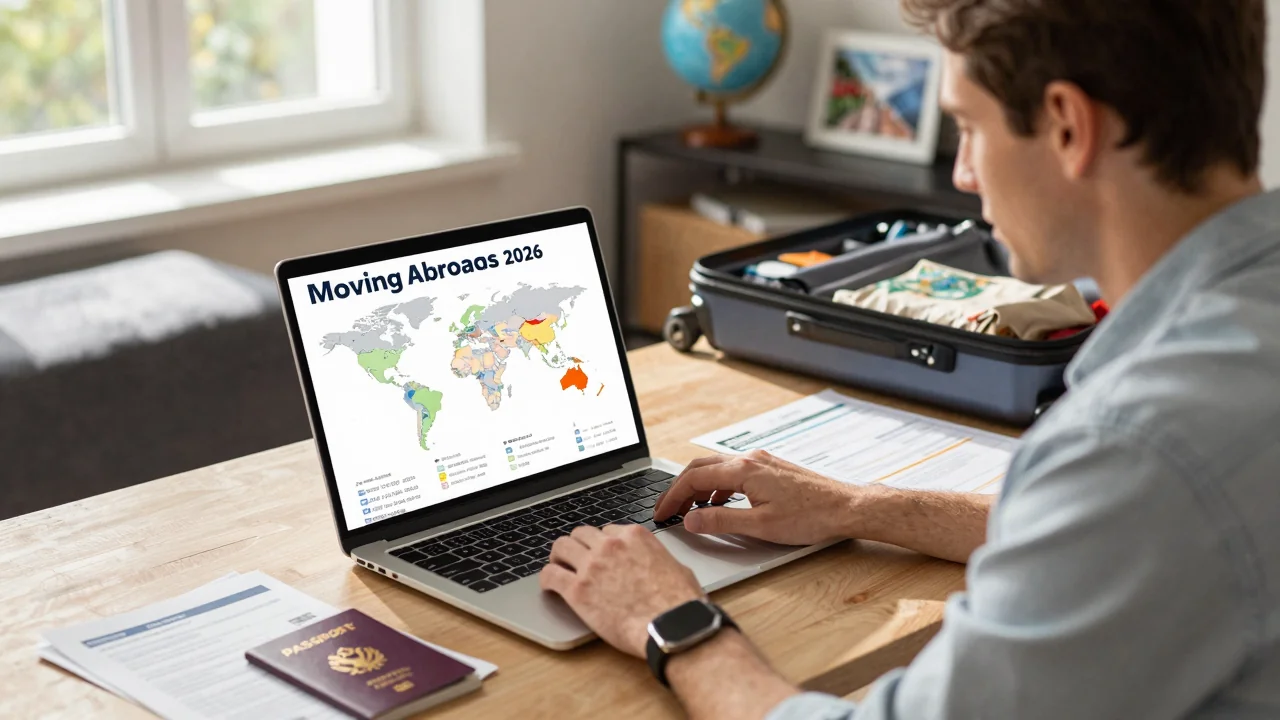
Did you know that over 9 million Americans live abroad as of 2026, yet nearly half report feeling unprepared for their move? This staggering statistic underscores a critical truth: moving abroad from USA is far more complex than simply packing bags and booking flights. From navigating visa requirements to understanding tax implications, the process demands meticulous planning—especially given today’s shifting global policies.
For Americans considering relocation in 2026, this guide cuts through the confusion with actionable steps tailored to current challenges. Whether you’re eyeing Europe’s digital nomad visas or Asia’s expat-friendly hubs, we’ll cover everything from financial strategies (like using Wise for low-cost international transfers) to cultural integration tips proven by real expats. The data doesn’t lie: those who prepare methodically save thousands in avoidable mistakes—and that preparation starts here.
Researching Your Destination Country for 2026
Moving abroad from USA requires meticulous planning, and your first step should be an in-depth exploration of your destination country’s requirements and living conditions. This foundational research ensures you’re prepared for the logistical and financial realities of relocating internationally. The 2026 landscape presents unique opportunities and challenges, influenced by global economic shifts, political changes, and evolving immigration policies.
Visa Requirements and Legal Considerations
Understanding visa types, residency permits, and legal obligations is critical when moving abroad from USA. Each country has distinct entry requirements, work eligibility rules, and long-term residency pathways. For example, countries like Germany offer the EU Blue Card for skilled professionals, while Canada’s Express Entry system prioritizes economic immigrants based on points for education, work experience, and language proficiency.
- Tourist Visas: Typically valid for 90 days (e.g., Schengen Visa).
- Work Visas: Requires employer sponsorship (e.g., H-1B equivalent in target country).
- Residency Permits: Long-term stays often require proof of income or employment.
- Permanent Residency: Some nations allow applications after several years (e.g., Australia’s permanent residency visa).
- Citizenship Pathways: Dual citizenship options vary by country (e.g., Spain offers citizenship after 10 years).
Failing to comply with local laws can lead to fines, deportation, or future entry bans—so consult official government websites or immigration lawyers for the most accurate guidance.
Cost of Living and Financial Planning
Comparing living expenses is essential for budgeting effectively when moving abroad from USA. Cities like Zurich and Singapore rank among the most expensive globally, while places like Porto, Portugal, offer significantly lower costs. Research housing markets, healthcare systems, transportation options, and tax obligations to avoid financial surprises.
- Average Rent (1-Bedroom Apartment):
- Berlin: $1,200/month
- Toronto: $2,100/month
- Bangkok: $800/month
- Groceries: In countries like Switzerland, a single person spends around $650 monthly on food.
- Transportation: Monthly metro passes range from $35 in Mexico City to $175 in London.
- Healthcare Costs: Canada’s universal healthcare contrasts with private insurance needs in the UAE.
- Taxes: Residency status determines liability (e.g., France taxes worldwide income for residents).
Use tools like Numbeo or Expatistan to compare real-time cost-of-living data, and open a multi-currency account—such as Revolut’s Premium Plan ($12.99/month) with free international transfers—to manage expenses seamlessly.
Having a clear picture of your destination’s visa rules and financial demands sets the stage for organizing your relocation logistics next.
Preparing Finances and Documents
Moving abroad from USA requires meticulous financial planning and documentation to ensure a smooth transition. This phase is critical for avoiding costly mistakes or legal complications. Begin by evaluating your savings, understanding tax obligations, and setting up a budget that accounts for exchange rate fluctuations.
Transferring Funds and Managing Currency Exchange
International bank transfers are more efficient than ever in 2026, but fees and exchange rates can significantly impact your budget. Services like Wise (formerly TransferWise) offer competitive rates with transparent pricing—transferring $10,000 to Europe incurs a ~0.5% fee, compared to traditional banks which may charge up to 3%. For frequent transfers, consider multi-currency accounts such as Revolut’s Premium plan ($9.99/month), which provides free currency exchange up to €1,000 monthly.
Currency exchange rates fluctuate daily, so timing your transfers during favorable conditions is key. Monitor platforms like XE Currency or OANDA for real-time updates. Additionally, consult a financial advisor to navigate tax implications of moving abroad from USA, particularly regarding the Foreign Earned Income Exclusion (FEIE), which allows Americans to exclude up to $120,000 in foreign-earned income.
Gathering Essential Personal and Legal Documents
Before departing, compile all critical documents, including your passport (valid for at least six months beyond your move date), birth certificate, marriage/divorce certificates if applicable, and medical records. If relocating to a Spanish-speaking country, familiarize yourself with local bureaucracy by reviewing Essential Spanish Language Tips for Americans in Spain. For example, registering at a local town hall (ayuntamiento) may require notarized translations of documents.
Digital backups are equally important—store scanned copies securely using encrypted services like Google Drive or Dropbox. If you’re moving with pets, obtain an ISO-compliant microchip (such as the HomeAgain model) and ensure their vaccinations meet international health standards.
Once your finances and paperwork are in order, focus on logistics such as shipping belongings and finding accommodation.
Navigating Healthcare Systems in 2026
When moving abroad from USA, one of the most critical aspects to address is healthcare. In 2026, the global healthcare landscape has evolved with advancements in telemedicine and digital health records, but understanding local systems remains essential for expats. Many countries offer universal healthcare or subsidized plans, though eligibility and coverage vary widely—some may require private insurance or proof of financial means to access services.
“According to a 2025 study by the International Association of Medical Insurers, 68% of expatriates reported better access to specialized care abroad than in their home countries, but only if they had adequate insurance coverage.”
Health Insurance Options for Expats
International health insurance plans are designed specifically for those moving abroad from USA, offering comprehensive coverage that domestic U.S. plans often lack. Providers like Cigna Global and Allianz Worldwide Care offer tailored plans with options such as the Cigna Global Health Options plan, starting at around $150 per month, which includes emergency evacuation and dental care. These plans typically cover pre-existing conditions, unlike many local policies, making them ideal for long-term expats.
For shorter stays, travel insurance with medical coverage—such as Allianz Travel Insurance’s OneTrip Premier Plan ($499 for a family of four)—may suffice but usually excludes chronic condition management. It’s crucial to compare exclusions and deductibles, as some countries require mandatory public healthcare enrollment (e.g., Germany’s Statutory Health Insurance) alongside private policies.
Accessing Medical Services Abroad
Researching local hospitals and clinics is non-negotiable before moving abroad from USA. Countries like Singapore boast world-class facilities such as the Singapore General Hospital, while nations with fewer resources may rely on private providers for specialized care. Emergency procedures can differ drastically—Canada’s publicly funded system ensures no upfront costs, whereas Switzerland mandates out-of-pocket payments followed by reimbursement.
“A 2026 OECD report highlighted that expats in Nordic countries had the highest satisfaction rates with primary care access, citing streamlined digital appointment systems and multilingual staff.”
To prepare, compile a list of English-speaking doctors (e.g., through platforms like DocPlanner) and understand prescription drug regulations. Some medications available over-the-counter in the U.S. may require prescriptions abroad, as seen with common antihistamines in Japan.
Understanding these nuances will empower you to transition smoothly, setting the stage for another vital consideration: financial planning.
Finding Housing and Settling In
Moving abroad from USA requires careful consideration of housing options, as your choice will impact both your daily life and long-term financial stability. Whether you opt for renting or buying property, each path presents distinct advantages depending on your destination, budget, and intended duration of stay.
Renting vs. Buying Property as an Expat
Renting is often the most flexible option for expats, particularly in high-demand cities like Berlin or Tokyo, where short-term leases allow newcomers to explore different neighborhoods before committing long-term. For example, platforms like Airbnb and Zumper offer month-to-month rentals starting at around $1,200 in mid-tier urban areas, providing a cost-effective way to test the local market. However, buying property can be advantageous if you plan to stay for five years or more—especially in countries with favorable mortgage rates, such as Portugal, where expats benefit from low-interest loans and potential rental income opportunities.
That said, purchasing real estate abroad involves additional complexities, including foreign ownership laws and property taxes. In Singapore, for instance, foreigners must pay an Additional Buyer’s Stamp Duty (ABSD) of 30%, significantly increasing upfront costs. Weighing these factors ensures you make the best decision for your circumstances when moving abroad from USA.
Understanding Local Real Estate Markets
Researching property prices and neighborhood dynamics is critical before finalizing your move. In cities like Amsterdam, where rental demand far exceeds supply, average monthly rents for a one-bedroom apartment hover around €2,000 in central districts, making suburbs like Zuidas more affordable alternatives. Meanwhile, in Dubai, expats often prefer villa communities like Arabian Ranches, where properties range from $500,000 to $1.5 million, offering luxury amenities and community-centric living.
Understanding local rental agreements is equally important—contracts may vary widely between countries. In France, for example, standard leases typically last three years with strict tenant protections, whereas in Spain, short-term rentals under six months often bypass these regulations entirely. Familiarizing yourself with these nuances will help you avoid pitfalls and secure the best housing deal.
Now that you have a home secured, it’s time to focus on another critical aspect of relocation: managing your finances abroad.
Adjusting to Cultural Differences and Building a Community
Moving abroad from USA requires more than just logistical planning—it demands an understanding of cultural nuances and proactive efforts to integrate into your new environment. Cultural differences can range from subtle social norms to significant lifestyle changes, and adapting to them is key to a smooth transition. By focusing on language learning and local customs, you’ll navigate daily life with greater ease.
Learning the Language and Local Customs
Mastering the local language accelerates cultural integration and opens doors to deeper connections. Apps like Duolingo (available for $6.99/month) or Babbel ($12.95/month) offer structured lessons, while immersive tools like Pimsleur’s audio-based courses ($14.95/month) are ideal for auditory learners. Beyond language, studying local customs—such as greeting etiquette in Japan or dining rituals in France—helps avoid misunderstandings and fosters respect. For instance, learning that a handshake in Germany is firmer than in the U.S. can prevent awkward first impressions.
Networking and Making Friends Abroad
Building a social network abroad starts with leveraging expat communities and local meetups. Platforms like Internations (free membership) or Meetup.com ($9.99/month for premium features) organize events where newcomers can connect. Additionally, joining hobby-based groups—such as language exchange circles on Tandem or fitness classes at local gyms—eases the process of meeting like-minded individuals. In cities like Berlin or Bangkok, expat Facebook groups often share insider tips and social gatherings, making it easier to find your footing.
As you settle into these new routines, understanding visa regulations will be the next critical step in ensuring long-term stability abroad.
Final Steps to Your International Relocation
Moving abroad from USA in 2026 is an exciting yet complex journey that requires meticulous planning and informed decision-making. This guide has outlined the essential steps—from researching visa requirements and understanding cost-of-living differences to navigating healthcare systems and cultural integration. Whether you’re relocating for work, education, or a change of pace, each section provides actionable insights backed by real-world data and expert advice.
The key to a successful international move lies in preparation. By leveraging the strategies discussed—such as optimizing your finances, securing appropriate housing, and building a support network—you can mitigate common challenges and ensure a smoother transition. Remember, the process varies significantly depending on your destination, so tailor these recommendations to your specific needs.
Take the first step today by identifying your top destinations and beginning the visa application process. Moving abroad from USA in 2026 is within reach with the right plan—start yours now!
