
Spain Tax Rules for American Expats: A Comprehensive 2026 Guide
Understanding the Spain tax rules for American expats is essential for those looking to relocate or invest in this vibrant European nation. Spain offers a warm climate, rich culture, and a robust economy, making it an attractive destination for U.S. citizens. However, navigating the tax landscape can be complex, especially with dual tax obligations. This guide provides a detailed overview of Spain’s tax system, residency requirements, treaty benefits, and tax planning strategies to help Americans optimize their financial situation.

Understanding Spain’s Tax System
Spain’s tax system is a combination of national and regional taxes, with the central government and autonomous communities each having specific taxing powers. The system is progressive, meaning that higher incomes are taxed at higher rates. For Americans, understanding the Spain tax system overview is crucial to avoid double taxation and ensure compliance with both U.S. and Spanish laws.
The primary taxes in Spain include income tax, value-added tax (VAT), wealth tax, and property tax. Income tax is the most significant for expats, as it applies to both employment and self-employment income. The VAT rate in Spain is generally 21%, with reduced rates for certain goods and services. Wealth and property taxes are also important considerations, especially for those investing in real estate or holding significant assets in Spain.
Residency and Taxes
Residency status in Spain determines your tax obligations. Generally, if you spend more than 183 days in a calendar year in Spain, you are considered a tax resident. This triggers the requirement to file and pay taxes on your worldwide income. For Americans, this means navigating both the U.S. and Spanish tax systems. Understanding the rules for Spain residency through investment can also provide tax benefits and streamline the process.
Non-residents, on the other hand, are only taxed on income earned in Spain. This includes rental income from Spanish properties, employment income from Spanish employers, and capital gains from the sale of Spanish assets. Non-residents are subject to a flat tax rate of 24% on most types of income, which can be higher than the progressive rates for residents. However, the U.S.-Spain tax treaty can help mitigate some of these obligations.
US-Spain Tax Treaty Benefits
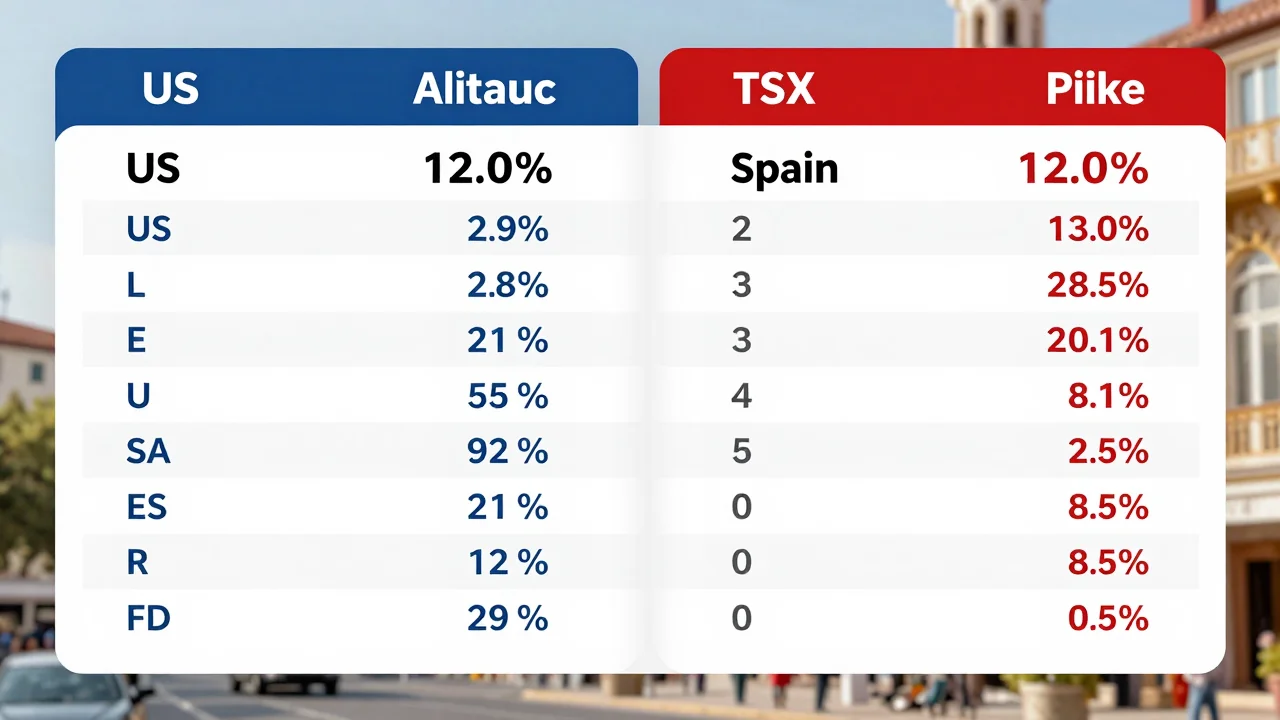
The U.S.-Spain tax treaty is designed to prevent double taxation and provide clarity on taxing rights between the two countries. Key benefits include reduced withholding tax rates on dividends, interest, and royalties, as well as provisions to avoid double taxation on income. For example, the treaty allows Americans to claim foreign tax credits for taxes paid in Spain, reducing their U.S. tax liability.
The treaty also provides clarity on residency status, ensuring that individuals are not taxed as residents in both countries. This is particularly important for Americans who split their time between the U.S. and Spain. The treaty also includes provisions for the exchange of information between tax authorities, helping to ensure compliance and reduce the risk of penalties.
Income Tax for Americans in Spain
Income tax is the most significant tax for Americans living in Spain. The tax rates are progressive, ranging from 19% to 47% for residents, depending on income levels. Non-residents are subject to a flat rate of 24% on most types of income. For Americans, this means understanding how their income is taxed in both countries and utilizing the tax treaty to minimize their overall liability.
Employment income, self-employment income, rental income, and capital gains are all subject to income tax in Spain. Americans must also consider the U.S. tax system, which taxes citizens on their worldwide income regardless of residency. This dual tax obligation can be complex, but the tax treaty and foreign tax credits can help reduce the burden.

Tax Filing Requirements for Expats
Understanding the expat tax filing requirements in Spain is crucial for compliance. Tax residents must file an annual tax return, known as the Declaración de la Renta, by the end of June each year. This return covers income earned during the previous calendar year. Non-residents must also file a tax return if they have earned income in Spain.
The tax return process in Spain can be complex, especially for Americans who must also file U.S. tax returns. It’s essential to keep detailed records of income, expenses, and any taxes paid in Spain to claim foreign tax credits accurately. Working with a tax professional who understands both U.S. and Spanish tax laws can help ensure compliance and optimize tax planning.
Wealth and Property Taxes
Wealth and property taxes are important considerations for Americans living in Spain, especially those with significant assets or real estate holdings. The wealth tax in Spain applies to individuals with assets exceeding certain thresholds, with rates varying by autonomous community. Property tax, known as Impuesto sobre Bienes Inmuebles (IBI), is an annual tax based on the value of the property.
For Americans investing in Spanish real estate, understanding the tax implications is crucial. Capital gains tax applies to the sale of property, with rates ranging from 19% to 23% for residents and 24% for non-residents. Additionally, rental income from Spanish properties is subject to income tax, with deductions available for certain expenses. The U.S.-Spain tax treaty can help mitigate some of these obligations, but careful planning is essential.
Social Security Contributions
Social Security contributions are another important consideration for Americans living in Spain. Employees and self-employed individuals are required to contribute to the Spanish Social Security system, with rates varying based on income levels. These contributions provide access to healthcare, pensions, and other social benefits in Spain.
For Americans, understanding the interaction between U.S. and Spanish Social Security systems is crucial. The U.S.-Spain totalization agreement helps prevent double contributions and ensures that individuals receive credit for contributions made in both countries. This agreement is particularly important for those who plan to retire in Spain or continue working in both countries.
Tax Planning Strategies for Expats
Effective tax planning is essential for Americans living in Spain to minimize their tax liability and ensure compliance. One key strategy is to utilize the U.S.-Spain tax treaty to claim foreign tax credits and reduce double taxation. Additionally, structuring investments and income to take advantage of tax-efficient vehicles can help optimize tax planning.
For those considering Spain investment visa guide options, understanding the tax implications of different investment structures is crucial. Real estate investments, business ventures, and financial investments each have unique tax considerations. Working with a tax professional who understands both U.S. and Spanish tax laws can help develop a comprehensive tax plan tailored to individual needs.
Another important strategy is to keep detailed records of all income, expenses, and taxes paid. This ensures accurate reporting and helps maximize deductions and credits. Regularly reviewing tax obligations and planning for future changes can also help avoid surprises and optimize tax planning.