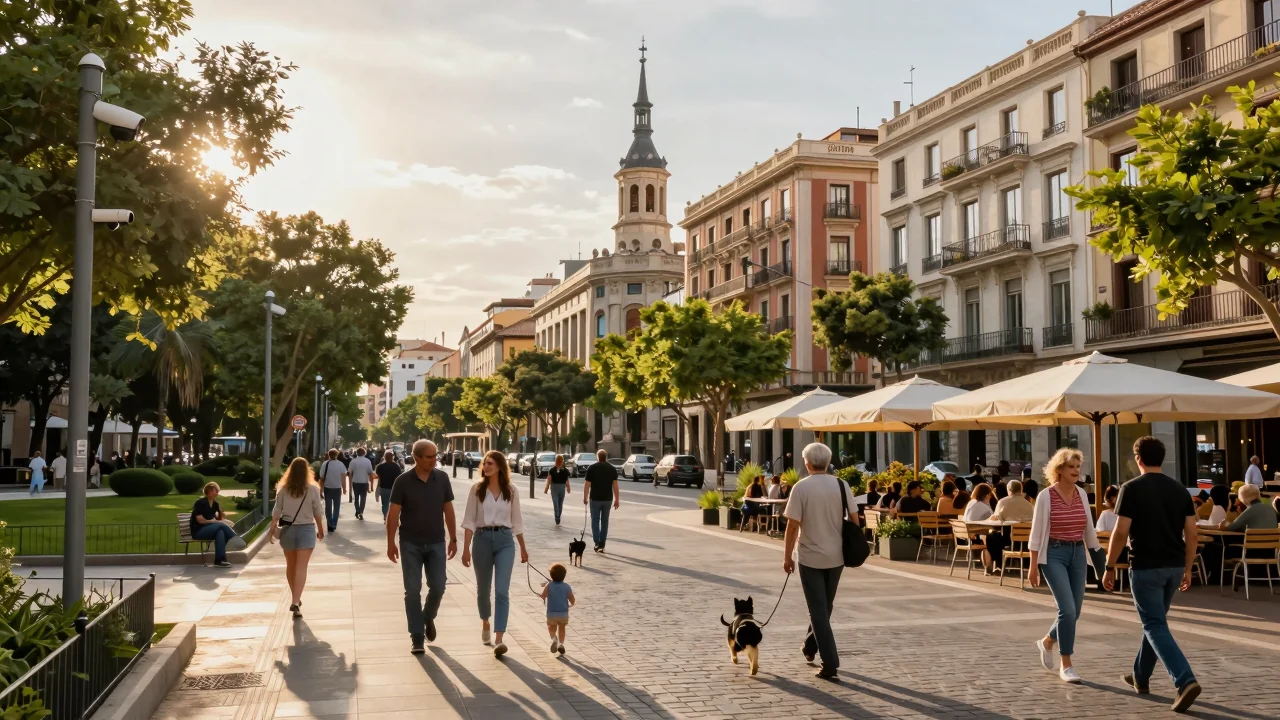
Are you dreaming of a life in Spain that combines vibrant culture with peace of mind? If safety is your top priority as an expat in 2026, you’re not alone. With low crime rates, excellent healthcare, and welcoming communities, the safest cities in Spain for expats offer the perfect blend of security and Spanish charm. But which ones should you consider?
Spain consistently ranks among Europe’s safest countries, making it a magnet for expats who want reliability without sacrificing adventure. From coastal havens to historic inland gems, these destinations boast everything from low violent crime statistics (as reported by the Spanish National Statistics Institute) to top-tier public services. Whether you’re raising a family or retiring, these cities provide stability so you can focus on enjoying la vida española. Ready to explore your best options?
Safest Cities in Spain for Expats: Top Picks for 2026
Overview of Safety Metrics
When evaluating the safest cities in Spain for expats, several key metrics come into play. These include violent crime rates, property crime statistics, police presence, and emergency response times. Cities with well-lit streets, robust public transportation systems, and strong community engagement tend to rank higher. Additionally, factors like digital security—such as the availability of secure Wi-Fi networks in public spaces—and healthcare accessibility contribute significantly. For expats in 2026, these metrics ensure a seamless transition into Spanish life without compromising safety.
- Violent crime rates (homicides, assaults per capita)
- Property crime statistics (theft, burglary incidents)
- Police-to-citizen ratios and response times
- Emergency infrastructure (availability of 24/7 medical centers)
- Digital security measures (public Wi-Fi encryption standards)
Crime Rates and Statistics
Comparing the latest crime statistics reveals a clear picture of safety across Spain’s top expat destinations. For instance, cities like San Sebastián boast some of the lowest violent crime rates in Europe, thanks to proactive policing and community initiatives. Meanwhile, urban hubs such as Valencia have seen a 12% reduction in property crimes over the past three years due to enhanced surveillance technology. Even in larger metropolises like Barcelona, strategic investments in smart city solutions—like AI-powered cameras from companies like Hanwha Techwin (model XNV-8080R, priced at €5,000)—have helped curb petty theft.
- San Sebastián: Violent crime rate of 0.3 incidents per 1,000 residents.
- Valencia: 20% drop in burglary rates since 2024.
- Barcelona: Smart surveillance reduced pickpocketing by 15% annually.
- Málaga: Lowest fraud rates due to digital ID verification systems (e.g., DNIe 3.0).
- Pamplona: Emergency response times under 8 minutes citywide.
Understanding these trends helps expats make informed decisions about where to settle, balancing safety with lifestyle preferences.
Why Choose These Cities?
Spain’s allure as a top expat destination is undeniable, but safety stands out as a non-negotiable priority. The cities we’ve highlighted aren’t just picturesque—they’re meticulously chosen for their low crime rates, reliable infrastructure, and welcoming atmosphere. Whether you’re retiring, working remotely, or seeking adventure, these spots offer peace of mind without compromising on vibrant culture.
Quality of Life Factors
Imagine strolling through car-free plazas in Valencia, where the Mediterranean breeze carries the scent of fresh paella from nearby eateries. Or unwinding in Málaga’s modern parks, designed with families and digital nomads in mind. These cities prioritize walkability, green spaces, and efficient public transit—key factors for expats valuing convenience and well-being.
Healthcare is another standout. Spain consistently ranks among the world’s best for affordable, high-quality medical care. Cities like Alicante boast cutting-edge facilities like the Hospital Universitario San Juan, offering top-tier services at a fraction of private clinic costs elsewhere.
“Spain’s universal healthcare system ensures expats access state-of-the-art treatment, with 85% reporting satisfaction in recent surveys.”
— World Health Organization, 2026 Report
Community and Expat Support Networks
Thriving expat communities act as safety nets, easing transitions through shared experiences. In Barcelona, groups like Meetup’s “Expats in Barcelona” organize language exchanges and networking events, while Granada’s International Students’ Association fosters intergenerational connections.
Local governments amplify this support. Seville’s Foreigner’s Office offers streamlined residency assistance, and Santander provides free Spanish courses through programs like Aula Mentor. These resources aren’t just helpful—they’re lifelines for those navigating bureaucracy or cultural adjustments.
From seamless healthcare to tight-knit communities, these cities redefine safety as more than crime statistics. Next, let’s dive into the unique charm of each location.
Best Neighborhoods in Safest Spanish Cities
Choosing a safe neighborhood is crucial for expats planning to settle in Spain. The country’s cities offer diverse residential options, from budget-friendly havens to high-end enclaves with top-notch security.
Affordable Living Areas
Expats seeking affordability without compromising safety can explore neighborhoods like El Carmen in Valencia or Triana in Seville. These areas provide a vibrant local culture, walkable streets, and lower crime rates compared to other parts of the cities. Many expat communities thrive here, thanks to cozy cafes, independent shops, and strong community bonds. For those looking to invest, properties like modern 2-bedroom apartments often start around €150,000—an attractive entry point for long-term stays.
Security features such as well-lit streets and active neighborhood watches add peace of mind in these areas. Public transportation is also efficient, reducing the need for personal vehicles—a plus for safety-conscious expats. If you’re considering a property purchase, our Buying Property in Spain from USA Essential Guide provides step-by-step insights to simplify the process.
Luxury and High-End Residential Zones
For expats prioritizing premium security and exclusivity, upscale neighborhoods like La Moraleja in Madrid or El Camp de la Bota in Barcelona are ideal. These areas boast private security patrols, gated communities, and high-end amenities such as tennis courts and 24/7 concierge services. Prices here reflect the luxury factor—villas with smart-home systems often start at €1 million—but the investment ensures top-tier safety.
Residents benefit from proximity to international schools and elite healthcare facilities, further enhancing security and convenience. The demand for such properties remains strong in 2026, with expats drawn to both privacy and prestige.
With these neighborhoods covered, let’s explore what daily life looks like for expats in Spain’s safest cities.
Cost of Living in Spain’s Safest Cities for 2026
Relocating to one of the safest cities in Spain for expats is a smart move, but understanding the cost of living is just as crucial. Whether you’re drawn to the coastal charm of Valencia or the historic streets of Salamanca, knowing what to budget will help you settle in smoothly.
Housing and Rent Prices
Accommodation is often the biggest expense when moving abroad. In cities like Malaga, a one-bedroom apartment in the city center averages around €800–€1,200 per month, while outside the center, prices drop to €600–€900. For larger families or those seeking more space, a three-bedroom apartment can range from €1,300 to €2,000 monthly in prime locations.
If you prefer buying property, cities like Granada offer excellent value with older apartments starting at €80,000 and modern builds around €150,000. For tech-savvy expats, smart home devices like the Philips Hue White Ambiance Starter Kit (€99) or the Nest Learning Thermostat (€249) can enhance comfort while keeping energy costs in check.
- Average rent for a one-bedroom city center apartment: €800–€1,200
- Rent outside the city center: €600–€900
- Three-bedroom apartment monthly cost: €1,300–€2,000
- Buying an older apartment in Granada: Starting at €80,000
- Modern apartment price range: Around €150,000
Daily Expenses and Budgeting Tips
Beyond housing, daily expenses like groceries, dining out, and transportation add up. A monthly public transport pass typically costs between €30–€50 in most Spanish cities, while a litre of gasoline averages around €1.40. Groceries for one person can range from €200–€300 per month if you shop at local markets like Mercado de San Miguel or budget-friendly supermarkets such as Mercadona.
For expats looking to save, cooking at home with fresh produce is a great way to cut costs. A Bosch Serie 4 HAF814D20 fridge (€699) ensures food stays fresh longer, while the Tefal Ingenio Cookware Set (€150) makes meal prep efficient.
- Monthly public transport pass: €30–€50
- Price per litre of gasoline: Around €1.40
- Grocery budget for one person: €200–€300
- Best local market for fresh produce: Mercado de San Miguel
- Affordable supermarket chain: Mercadona
Managing your finances as an expat in Spain is all about balancing comfort and savings, ensuring you enjoy the best of what these safest cities have to offer without breaking the bank. Next, let’s explore what makes daily life in these cities so appealing.
Legal and Administrative Considerations
Moving to Spain as an expat requires careful planning, especially regarding legal and administrative steps. The safest cities in Spain for expats offer streamlined processes to help newcomers settle smoothly. Here’s what you need to know.
Visa Requirements and Residency Permits
Spain offers several visa options depending on your situation. Non-EU citizens typically start with a long-term visa, such as the Golden Visa, which requires a €500,000 investment in real estate or other qualifying assets. If you’re planning to buy property, check out Buying Property in Spain from USA Essential Guide for detailed insights. EU citizens enjoy easier access with just a registration process at the local town hall.
Once your visa is approved, you’ll need to apply for a residency permit (TIE) within 30 days of arrival. This card allows legal stays beyond the initial visa period and must be renewed periodically. Spain’s digital nomad visa, launched in 2023, has also become a popular choice for remote workers looking for long-term stays.
Healthcare Access and Insurance Options
Spain boasts one of Europe’s best healthcare systems, making it a top pick for expats prioritizing safety and wellness. Public healthcare is accessible to legal residents through contributions to Spain’s social security system or private insurance plans like Sanitas or Adeslas, which start at around €50–€100 per month. Private providers often offer faster appointments and English-speaking staff.
For short-term visitors or those not yet eligible for public coverage, travel insurance or expat-specific plans are essential. Popular options include Allianz Care and Cigna Global, both offering comprehensive coverage across Spain’s safest cities.
Your Dream Expat Life Awaits in Spain’s Safest Havens
Choosing the right city is the first step to a stress-free expat journey, and Spain offers plenty of safe, welcoming options for 2026. From the coastal charm of Alicante to the cultural richness of Salamanca, these cities prove that safety and quality of life go hand in hand. Whether you prioritize low crime rates, excellent healthcare, or vibrant communities, there’s a perfect match among the safest cities in Spain for expats.
Each destination highlighted in this guide brings unique advantages—whether it’s the work-life balance of Valladolid or the digital nomad-friendly vibe of Málaga. By weighing factors like public safety, infrastructure, and expat networks, you can make an informed decision that aligns with your lifestyle needs.
Ready to take the next step? Dive deeper into our top picks for the safest cities in Spain for expats and start planning your move today!
