Ever felt like your vacation to Spain was just another checkbox on a generic travel itinerary? You’re not alone. Many Americans arrive in Spain eager to soak up its culture but end up lost in translation—literally and figuratively. From confusing tapas menus to missing out on hidden gems beyond the tourist hotspots, connecting with Spanish culture for Americans can feel overwhelming. That’s where this guide comes in.
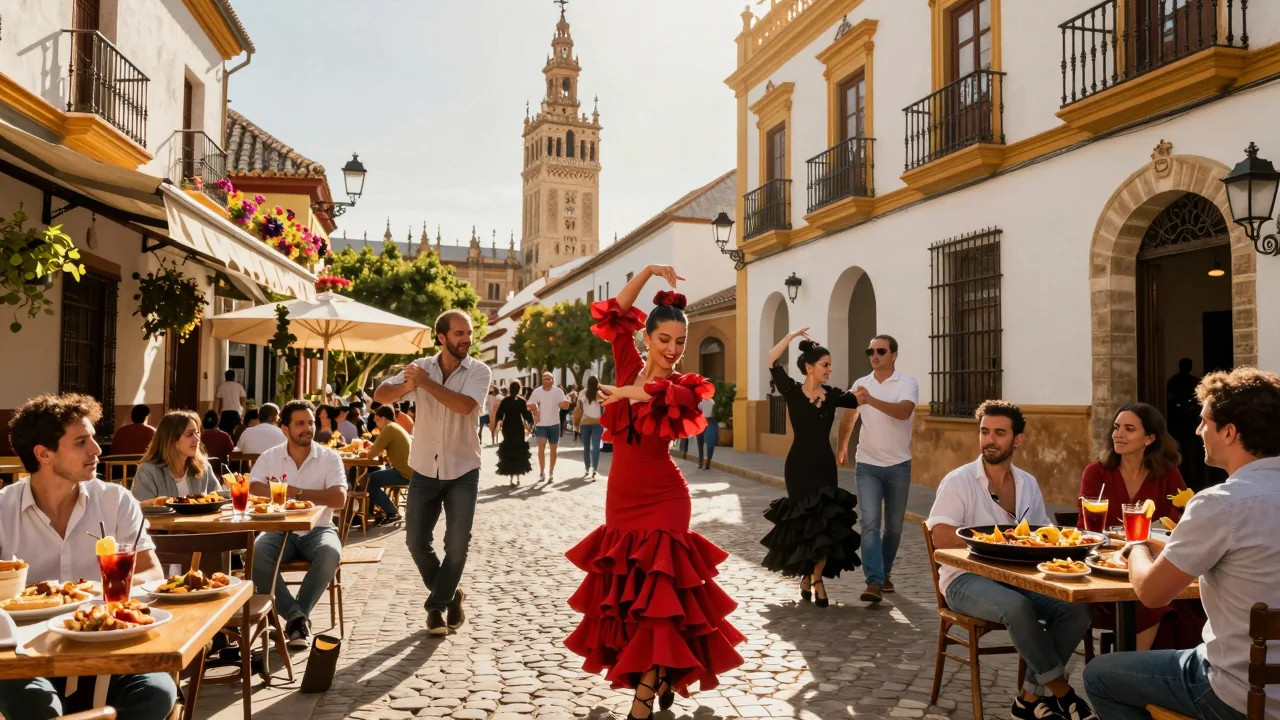
In 2026, Spain is more accessible than ever, but truly experiencing its heart requires insider knowledge. Whether you’re an expat settling into Barcelona or a traveler exploring Valencia’s narrow streets, understanding the nuances of Spanish life—from siesta traditions to regional festivals—can turn your trip from ordinary to unforgettable. This isn’t just another listicle; it’s your passport to authentic connections, whether you’re sipping vermouth in a local bar or dancing to flamenco in Seville’s back alleys.
Understanding Spanish Culture for Americans
Spain and the USA share some cultural similarities but also have distinct differences that can shape your experience. For Americans exploring Spanish culture, understanding these nuances is key to avoiding misunderstandings and fully embracing the local way of life.
Key Cultural Differences Between Spain and the USA
Spain operates on a different rhythm than the U.S., where efficiency often takes precedence. Here are some standout contrasts:
– Mealtime Matters: Spaniards eat dinner much later, typically between 9 PM and 11 PM, while Americans usually dine by 7 PM.
– Work-Life Balance: The Spanish prioritize leisure time, with long lunch breaks and siestas in some regions, unlike the U.S. work culture.
– Direct Communication: Spaniards tend to be more expressive and direct, which might feel blunt compared to American politeness.
– Socializing: Friendships are deeply valued, and social plans often happen spontaneously—unlike the scheduled nature of American hangouts.
– Tipping Culture: In Spain, tipping isn’t expected; a service charge is usually included, whereas Americans typically leave 15–20% in restaurants.
For example, the Samsung Galaxy S24 Ultra (priced at $1,299) might be a hot topic in the U.S., but Spaniards are more likely to discuss the latest tapas bar trend over dinner.
Regional Diversity Within Spain
One of the most exciting aspects of Spanish culture for Americans is its regional diversity. From the vibrant flamenco scene in Andalusia to the cutting-edge art in Catalonia, each area has its own identity.
– Andalusia: Known for bullfighting, flamenco, and Moorish architecture like the Alhambra.
– Catalonia: Home to Barcelona’s Sagrada Família and a strong Catalan language influence.
– Basque Country: Famous for pintxos (small tapas) and unique traditions like the Basque beret.
– Galicia: A lush, green region with Celtic roots and seafood-rich cuisine.
– Valencia: Birthplace of paella and futuristic architecture like the City of Arts and Sciences.
Whether you’re sipping a San Miguel beer (€1.50 at local bars) in Madrid or exploring Gaudí’s masterpieces, each region offers a fresh cultural experience.
This rich tapestry of traditions makes Spain a fascinating destination for Americans eager to broaden their horizons.
Festivals and Traditions in 2026
Spain’s vibrant festivals and time-honored traditions offer Americans an unforgettable glimpse into its rich cultural tapestry. From flamboyant celebrations to deeply rooted customs, these events are a must-experience for any traveler looking to immerse themselves in Spanish culture for Americans.
Must-Attend Spanish Festivals for Americans
Pack your dancing shoes and get ready to celebrate! Spain’s festival calendar is packed with unforgettable events. La Tomatina in Buñol (August 2026) lets you dive into a massive tomato fight, while the Running of the Bulls in Pamplona (July 2026) offers an adrenaline rush like no other. For music lovers, the Primavera Sound Festival in Barcelona (May–June 2026) features top global acts—perfect for catching performances from artists like The 1975 and Florence + The Machine.
“Spain’s festivals are more than just events; they’re living testaments to its history and spirit.” — Travel + Leisure
Don’t miss the Feria de Abril in Seville (April 2026), where flamenco, horsemen, and vibrant casetas (decorated tents) create an electric atmosphere. And for a mix of religion and spectacle, the Semana Santa processions across Andalusia (March–April 2026) showcase dramatic floats carried by hooded penitents—an experience both moving and visually stunning.
How to Participate Respectfully
Respecting local customs is key to enjoying these festivals fully. In religious events like Semana Santa, dress modestly and maintain a quiet, contemplative demeanor during processions. For La Tomatina, bring protective goggles (like the $15 Oakley Radar EV Path Prizm Road) and follow the rules—no ripping shirts or bringing weapons! At flamenco festivals, clapping on beat is encouraged, but avoid overdoing it unless locals lead.
“Authentic engagement starts with understanding—and a little humility.” — Condé Nast Traveler
When attending fiestas in small towns, accept offers of food and drink as a sign of hospitality. And always research ahead: some events, like the San Fermín bull runs, have strict guidelines for safety (e.g., no backpacks or professional cameras). By blending in rather than standing out as a tourist, you’ll earn the warmest welcomes.
Now that you’re ready to dive into Spain’s festive spirit, let’s explore how to navigate its culinary delights next.
Language and Communication Tips
Navigating Spanish culture for Americans starts with mastering the basics of communication. While many Spaniards—especially younger generations—speak English, relying solely on it can limit your experience. Learning essential phrases not only helps you connect but also shows respect for local customs.
Essential Spanish Phrases for Americans
Start with greetings like “Hola” (Hello) and “Gracias” (Thank you), which go a long way in daily interactions. For dining, phrases such as “La cuenta, por favor” (The bill, please) or “¿Tienen opciones vegetarianas?” (Do you have vegetarian options?) are invaluable. If you’re staying longer, knowing “Necesito ayuda con mi residencia fiscal en España” (I need help with my tax residency in Spain) can be crucial—check out Spain Tax Residency for Americans Key Rules & Tips for guidance. For tech-savvy travelers, the Google Pixel 7a ($499) with real-time translation features is a game-changer.
Overcoming Language Barriers
When English isn’t widely spoken, non-verbal cues and simple phrases can bridge gaps. Use apps like Duolingo Plus ($69.99/year) for quick lessons or carry a pocket phrasebook like “Lonely Planet Spanish Phrasebook” ($9.99). Spaniards appreciate effort, so even basic attempts at their language are welcomed. If you’re in business settings, the Logitech Brio 4K Pro Webcam ($200) ensures clear video calls—pair it with Zoom’s live captioning for smoother meetings.
Understanding these nuances will make your transition into Spanish culture seamless, setting the stage for deeper cultural exploration.
Food and Dining Experiences
Spanish cuisine is a vibrant explosion of flavors that every American should experience at least once. From bustling tapas bars to intimate family-run restaurants, the culinary scene offers a taste of tradition and innovation. Whether you’re a foodie or just looking to try something new, Spanish culture for Americans starts with its iconic dishes.
Iconic Spanish Dishes Every American Should Try
Tapas are the heart of Spanish dining—small plates designed for sharing that pack a punch in every bite. Must-try options include Patatas Bravas (crispy potatoes with spicy tomato sauce), Gambas al Ajillo (garlic shrimp sizzled in olive oil), and Tortilla Española (a thick, savory omelet packed with potatoes and onions). For meat lovers, Jamón Ibérico, cured from acorn-fed pigs, is a luxury worth splurging on—expect to pay around $50 for a high-quality leg. Seafood enthusiasts shouldn’t miss Pulpo a la Gallega (tender octopus with paprika and olive oil), a dish that highlights Spain’s coastal bounty.
“Spanish cuisine is about balance—rich flavors, fresh ingredients, and the joy of sharing food with others.” — José Andrés, Michelin-starred chef
Seafood isn’t the only star on Spanish tables. Paella, originally from Valencia, comes in regional variations like Paella Valenciana (with rabbit and chicken) or seafood-packed Arroz Negro (black rice dyed with squid ink). Vegetarians will love Pisto, a Mediterranean ratatouille, while dessert lovers should save room for Churros con Chocolate—crispy fried dough dipped in thick hot chocolate. These dishes offer a delicious entry point into Spanish culture for Americans.
Etiquette at Spanish Restaurants
Dining in Spain is more than just eating—it’s a social experience. Lunch typically starts around 2 PM and dinner after 9 PM, so adjust your schedule to avoid disappointment. Tapening (ordering multiple small plates) is the norm, not the exception. Ordering strategy? Start with lighter tapas like Boquerones en Vinagre (anchovies in vinegar) before moving to heartier options like Chorizo al Vino (sausage slow-cooked in wine). And never rush—meals are meant to be savored.
According to a 2025 survey by the Spanish Tourism Board, over 60% of American visitors cited food as a top reason for returning to Spain.
Bread is usually served with olive oil and salt—don’t dip it in sauces unless invited. Tipping isn’t mandatory but rounding up or leaving 5-10% is appreciated. And always say “¡Buen provecho!” (Enjoy your meal!) before digging in. These small gestures show respect for Spanish culture for Americans.
Now that you’re ready to dine like a local, let’s explore how music and festivals bring Spain’s streets to life.
Living in Spain: Practical Tips for Americans
Moving to Spain as an American is exciting, but it comes with practical considerations. From understanding tax obligations to accessing healthcare, being prepared ensures a smooth transition into Spanish culture. Whether you’re relocating permanently or spending extended time in the country, these tips will help you navigate daily life like a local.
Spain Tax Residency for Americans Key Rules & Tips
Understanding your tax residency status is crucial for financial planning. As an American living in Spain, you may be subject to both U.S. and Spanish taxes, depending on your situation. The key factor is the number of days spent in Spain—exceeding 183 days typically triggers tax residency.
- Tax treaties between the U.S. and Spain help avoid double taxation.
- You’ll need to file U.S. taxes annually, even as a resident abroad.
- Consider hiring a bilingual accountant familiar with both systems.
- Keep records of income sources, including investments and properties.
- Use tax software like TurboTax Expat for streamlined filings.
For detailed guidance, check out Spain Tax Residency for Americans Key Rules & Tips.
Navigating Healthcare as an American in Spain
Spain’s public healthcare system is world-class and highly accessible. As a resident, you’ll need to register with the local health center (centro de salud) and obtain a health card (tarjeta sanitaria). Private insurance options, like Sanitas or Adeslas, offer additional flexibility for non-residents.
- Public healthcare is free for registered residents after paying social security contributions.
- The average cost of private health insurance ranges from €50 to €150 per month.
- Popular private hospitals include Quirónsalud and HM Hospitals.
- Emergency services are reliable, with a European emergency number (112).
- Prescription medications are affordable, often priced at around €5–€20.
With these practical steps covered, you’ll be ready to explore the vibrant cultural experiences Spain has in store.
Embrace Spanish Culture for Americans in 2026
Spain’s vibrant culture is waiting to be explored by American travelers and expats alike. This guide has given you the essentials—from understanding regional differences to mastering basic etiquette and celebrating local traditions. Whether it’s savoring tapas, dancing at a flamenco show, or joining in on lively festivals like La Tomatina, 2026 is the perfect year to dive into Spain’s rich heritage.
Spanish culture for Americans isn’t just about sightseeing; it’s about connecting with people, embracing new customs, and creating unforgettable memories. With this guide in hand, you’re ready to explore with confidence, curiosity, and respect for all that Spain has to offer.
Pack your bags, brush up on your Spanish phrases, and get ready to experience the best of Spanish culture for Americans—your adventure starts now!
