
Pet Relocation USA to Spain Requirements: A Comprehensive Guide
Relocating your pet from the USA to Spain is an exciting but complex process that requires careful planning and adherence to strict regulations. Whether you’re moving for work, retirement, or simply a change of scenery, understanding the pet relocation USA to Spain requirements is essential to ensure a smooth transition for your furry friend. This guide covers everything you need to know, from import regulations to post-relocation care.
Overview of Pet Relocation from USA to Spain
Moving your pet internationally involves more than just booking a flight. It requires a deep understanding of both the departure and arrival country’s regulations. Spain, as part of the European Union, has specific rules for pet imports that must be followed to the letter. Failure to comply can result in your pet being quarantined or even denied entry. This section provides a high-level overview of what you can expect during the pet relocation process.
The journey typically begins with a visit to your veterinarian to ensure your pet meets all health requirements. Depending on your pet’s species, age, and health status, additional steps may be necessary. For example, dogs and cats require microchipping, vaccinations, and sometimes even blood tests. The process can take several weeks, so it’s crucial to start early.
Once the health requirements are met, you’ll need to choose a pet relocation service or handle the logistics yourself. Many pet owners opt for professional services to ensure a stress-free experience for their pets. These services often include door-to-door transportation, customs clearance, and even post-relocation support.
Pet Import Regulations in Spain
Spain’s pet import regulations are designed to protect the local animal population from diseases and ensure the welfare of imported pets. The rules are stringent, but they are in place for good reason. To bring your pet into Spain, you must comply with the pet import regulations for Spain, which are aligned with the European Union’s standards.
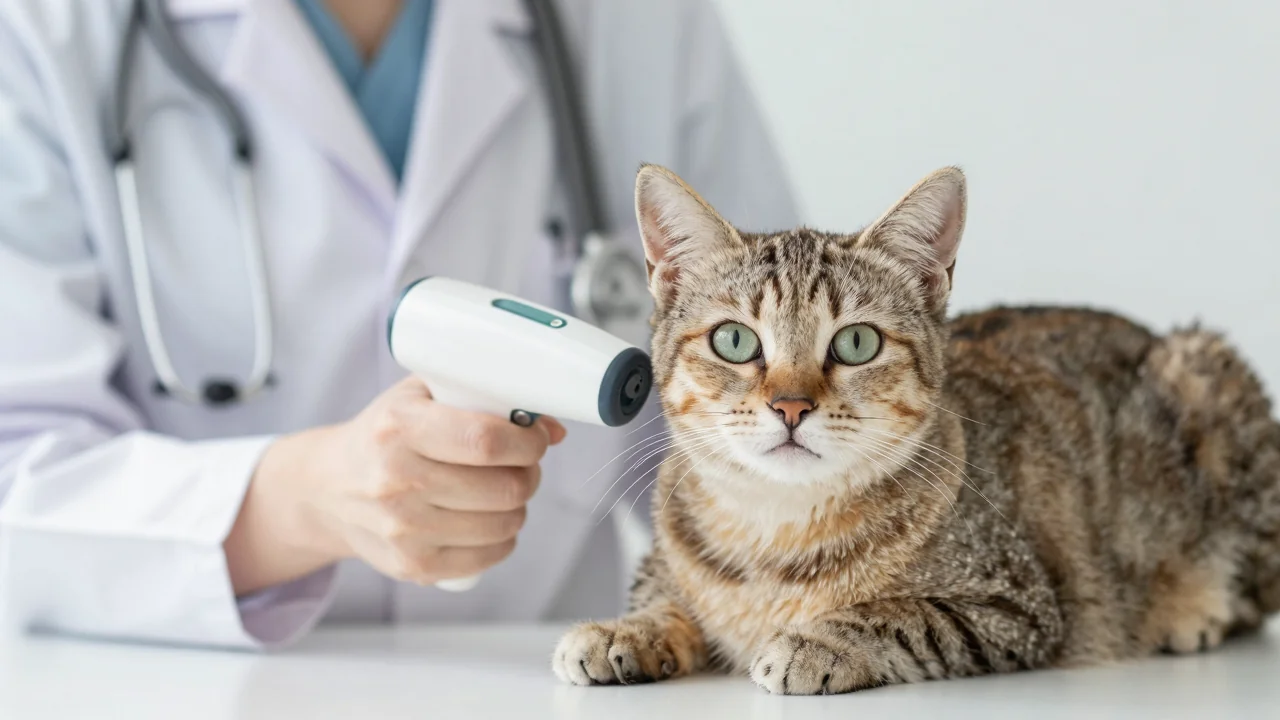
The first step is to ensure your pet has a valid microchip. This is a mandatory requirement for all pets entering Spain. The microchip must be ISO-compliant and implanted before any vaccinations. Next, your pet must be vaccinated against rabies. The vaccination must be administered after the microchip and at least 21 days before travel.
Additionally, Spain requires a health certificate issued by a licensed veterinarian. This certificate must be endorsed by the US Department of Agriculture (USDA) before your pet can travel. The health certificate is valid for four months from the date of issuance, so timing is crucial. You can find more information about veterinary health certificates on the AVMA website.
For pets other than dogs and cats, such as birds or exotic animals, the requirements may differ. It’s essential to check the specific regulations for your pet’s species before planning the move. Some pets may require additional permits or quarantine periods.
EU Pet Travel Scheme (EU PETS)
The EU Pet Travel Scheme (EU PETS) allows pets to travel between the EU and the US with minimal restrictions. This scheme is designed to facilitate the movement of pets while maintaining high standards of animal health and welfare. To qualify for EU PETS, your pet must meet specific criteria, including microchipping, rabies vaccination, and a health certificate.
Under EU PETS, pets traveling from the US to Spain must enter through an approved Traveler’s Point of Entry (TPE). These entry points have the necessary facilities to inspect pets and ensure they meet all health requirements. Common TPEs include major airports and seaports, but it’s essential to confirm the approved entry points before booking your pet’s travel.
One of the significant advantages of EU PETS is that it eliminates the need for quarantine for pets that meet all the requirements. However, it’s crucial to note that the scheme is only applicable to pets traveling with their owners. Pets traveling alone or as cargo may be subject to different rules.
To ensure a smooth process, it’s recommended to start the EU PETS application at least three months before your planned travel date. This allows enough time to complete all the necessary steps, including microchipping, vaccination, and health certification. Additionally, you may need to schedule an appointment with the USDA for the endorsement of your pet’s health certificate.
Health Certificates and Veterinary Checks
Health certificates and veterinary checks are critical components of the pet relocation process. These documents provide proof that your pet is healthy and free from contagious diseases. The health certificate must be issued by a licensed veterinarian and endorsed by the USDA. The certificate is valid for four months from the date of issuance, so it’s essential to plan your pet’s travel within this timeframe.
The health certificate must include detailed information about your pet’s health status, vaccination history, and any recent treatments. It should also confirm that your pet has been examined by a veterinarian within a specified period before travel. The USDA endorsement is a crucial step, as it certifies that the health certificate meets the requirements of the destination country.
In addition to the health certificate, your pet may need to undergo additional veterinary checks, such as blood tests or parasite treatments. These checks are designed to ensure that your pet is free from specific diseases that could pose a risk to the local animal population. It’s essential to consult with your veterinarian to determine which checks are necessary for your pet.
For more information about veterinary health certificates, you can visit the AVMA website. This resource provides detailed guidelines on the requirements and processes involved in obtaining a health certificate for your pet.

Choosing a Pet Relocation Service
Choosing a pet relocation service can significantly simplify the moving process. These services specialize in handling the logistics of international pet relocation, from arranging flights to ensuring compliance with health regulations. When selecting a pet relocation service, it’s essential to consider factors such as experience, reputation, and cost.
Experienced pet relocation services have a deep understanding of the regulations and requirements for moving pets internationally. They can guide you through the process, ensuring that all necessary steps are completed correctly and on time. Additionally, they often have established relationships with airlines and customs officials, which can help streamline the relocation process.
Reputation is another critical factor to consider when choosing a pet relocation service. Look for reviews and testimonials from other pet owners who have used the service. Positive feedback and high ratings are good indicators of a reliable and trustworthy service. You can also ask for references or case studies to get a better understanding of their track record.
Cost is an essential consideration, but it should not be the only factor in your decision. While it’s tempting to choose the cheapest option, it’s crucial to ensure that the service provides high-quality care and support for your pet. Compare quotes from multiple services and consider the value they offer in terms of experience, reputation, and customer service.
Some pet relocation services offer additional amenities, such as door-to-door transportation, customs clearance, and post-relocation support. These services can provide peace of mind, knowing that your pet is in good hands throughout the relocation process. Be sure to ask about these amenities and any associated costs when comparing services.
Preparing Your Pet for Travel
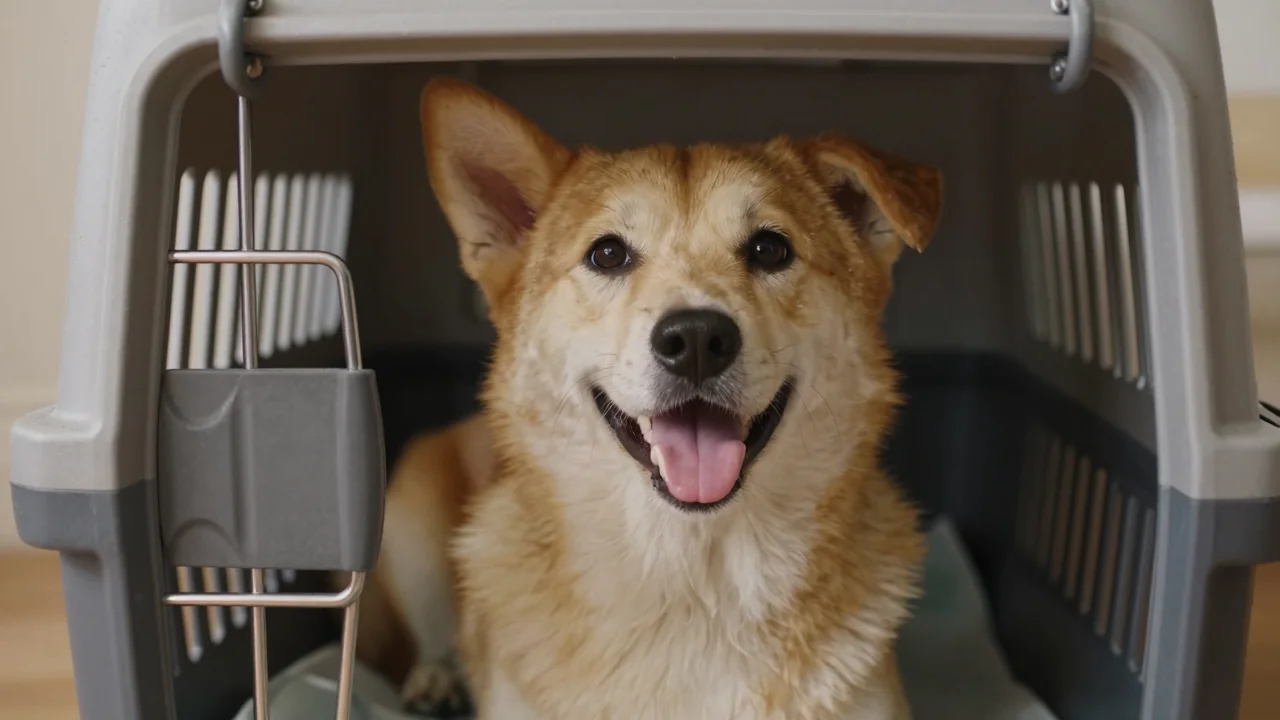
Preparing your pet for travel is essential to ensure a smooth and stress-free journey. There are several steps you can take to help your pet adjust to the travel experience and reduce anxiety. The first step is to acclimate your pet to the travel crate or carrier. This can be done by leaving the crate in a familiar environment and encouraging your pet to explore it.
Gradually increase the amount of time your pet spends in the crate, and reward them with treats or praise for positive behavior. This will help your pet associate the crate with positive experiences and reduce anxiety during travel. Additionally, you can practice short trips in the car to help your pet get used to the motion and noise of travel.
It’s also essential to pack a travel kit for your pet, including food, water, toys, and any necessary medications. This kit should be easily accessible during travel and include items that will help keep your pet comfortable and entertained. Additionally, you may want to consider using calming aids, such as pheromone sprays or natural supplements, to help reduce anxiety during travel.
Finally, it’s crucial to stay calm and confident during the travel process. Pets are highly attuned to their owner’s emotions, and displaying anxiety or stress can exacerbate your pet’s anxiety. By remaining calm and reassuring, you can help your pet feel more secure and comfortable during the journey.

Residency and Pet Relocation
If you’re planning to move to Spain permanently, it’s essential to understand the residency requirements for both you and your pet. Spain offers several residency options for expats, including Spain residency through investment programs. These programs allow individuals to obtain residency by making a significant investment in the country, such as purchasing real estate or starting a business.
For pets, the residency requirements are generally less stringent, but it’s essential to ensure that your pet meets all the necessary health and vaccination requirements. Additionally, you may need to register your pet with the local municipality and obtain a pet identification card. This card provides proof of ownership and ensures that your pet is up-to-date on vaccinations and other health requirements.
It’s also essential to consider the long-term care of your pet in Spain. This includes finding a local veterinarian, understanding the local pet laws and regulations, and ensuring that your pet has access to necessary medical care. Additionally, you may want to consider pet insurance, which can help cover the cost of unexpected veterinary bills.
Finally, it’s crucial to stay informed about any changes to the residency requirements for both you and your pet. The regulations can change frequently, and it’s essential to ensure that you’re up-to-date on the latest requirements. You can consult with a legal expert or immigration consultant to ensure that you’re in compliance with all the necessary regulations.
Financial Considerations
Relocating your pet internationally can be a significant financial investment. It’s essential to understand the costs involved and budget accordingly. The costs can vary depending on several factors, including the size and species of your pet, the mode of transportation, and the distance traveled. Additionally, you may need to consider additional costs, such as veterinary checks, health certificates, and pet relocation services.
One of the most significant costs is the airfare for your pet. The cost can vary depending on the airline and the route, but it’s essential to budget for this expense. Additionally, you may need to consider the cost of a travel crate or carrier, which can range from a few hundred to several thousand dollars, depending on the size and quality.
Another significant cost is the veterinary checks and health certificates. These costs can vary depending on the veterinarian and the location, but it’s essential to budget for these expenses. Additionally, you may need to consider the cost of any necessary vaccinations or treatments, which can add to the overall cost of the relocation.
Finally, it’s essential to consider the long-term financial implications of owning a pet in Spain. This includes understanding the Spain tax rules for expats, which may impact your tax liability. Additionally, you may need to consider the cost of pet insurance, which can help cover the cost of unexpected veterinary bills.
By understanding the financial considerations involved in pet relocation, you can ensure that you’re prepared for the costs and budget accordingly. It’s essential to consult with a financial advisor or tax expert to ensure that you’re in compliance with all the necessary regulations and to minimize your tax liability.

Post-Relocation Care for Your Pet
Once your pet has arrived in Spain, it’s essential to provide them with the necessary care and support to help them adjust to their new environment. This includes finding a local veterinarian, understanding the local pet laws and regulations, and ensuring that your pet has access to necessary medical care. Additionally, you may want to consider pet insurance, which can help cover the cost of unexpected veterinary bills.
One of the most critical aspects of post-relocation care is helping your pet adjust to their new environment. This can be a stressful time for your pet, and it’s essential to provide them with a comfortable and familiar space. This may include setting up a designated area in your home, providing familiar toys and bedding, and introducing your pet to their new environment gradually.
It’s also essential to monitor your pet’s behavior and health closely during the adjustment period. Look for signs of stress or anxiety, such as changes in appetite, sleep patterns, or behavior. Additionally, ensure that your pet has access to fresh water and food and that they are up-to-date on vaccinations and other health requirements.
Finally, it’s crucial to stay informed about any changes to the pet laws and regulations in Spain. The regulations can change frequently, and it’s essential to ensure that you’re up-to-date on the latest requirements. You can consult with a local veterinarian or pet expert to ensure that you’re in compliance with all the necessary regulations and to provide the best possible care for your pet.
