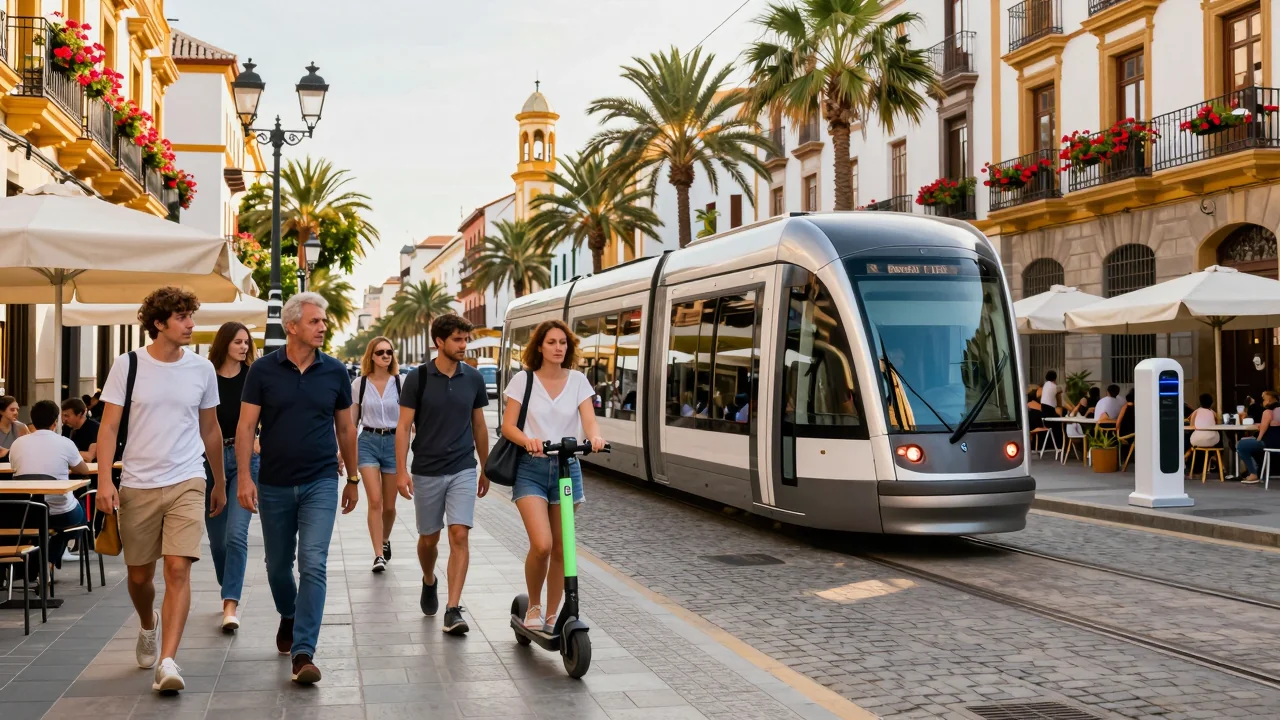
Tired of battling crowded roads and sky-high parking fees? Many residents in Spain are ditching their cars as outdated infrastructure meets modern alternatives. In 2026, the country’s public transport network—including high-speed rail like the AVE and expanding electric bus fleets—has made living without a car in Spain more practical than ever. Yet, navigating this transition remains confusing for expats and even locals unaccustomed to car-free living.
From seamless bike-sharing apps like Movo to regional discounts on public transit passes, the tools to go carless are evolving fast. This guide cuts through the noise with real-world insights on where Spain’s transport system excels—and where gaps remain. Whether you’re relocating or simplifying your lifestyle, we’ll show you how to move freely without a vehicle in 2026.
Living Without Car Spain: 2026 Trends
Spain has made remarkable strides in sustainable mobility, making living without a car more viable than ever in 2026. From high-speed rail expansions to innovative rural transit solutions, the country is setting a global example for car-free living. Here’s what’s shaping transportation this year:
Public Transport Advancements in Major Cities
Spain’s cities continue to expand their efficient metro, tram, and bus networks in 2026. Barcelona’s Metro Line 9/10 has been fully integrated with the new Siemens Mobility digital signaling system, allowing trains to run at two-minute intervals during peak hours. Madrid’s Cercanías suburban rail network now includes electric-powered Siemens Desiro HC trains, reducing carbon emissions by 30%. Meanwhile, Valencia’s TRAM Alacant is introducing hydrogen-fueled trams this year, with the Solaris Urbino 12 hydrogen model priced at €1.2 million per unit.
Key advancements in urban transit include:
– Barcelona’s new high-capacity Metro Line 5 extension to L’Hospitalet de Llobregat.
– Madrid’s upgraded Cercanías Line C-3 now offers Wi-Fi and real-time tracking via the Renfe app.
– Seville’s Tussam bus fleet is transitioning to electric buses, with BYD K9 models costing €280,000 each.
– Bilbao’s Metro system has added contactless payment options for seamless travel.
– Valencia’s TRAM network now features 13 hydrogen-powered trams, reducing noise and pollution.
Rural Mobility Solutions for Remote Areas
New initiatives bridge the gap between urban and rural transportation options this year. Spain’s Ministry of Transport has launched the Movilidad Sostenible Rural program, providing subsidies for electric vehicle charging stations in towns with populations under 5,000. In Andalusia, the Transporte a la Demanda system allows residents to book shared minibuses via an app, reducing reliance on private cars.
Rural mobility solutions now include:
– The Renault Kangoo E-Tech Electric, priced at €25,000 after subsidies, available for car-sharing in rural Catalonia.
– Bike-sharing programs in Galicia, featuring 300 electric bicycles from the Accell Group’s VanMoof brand.
– On-demand shuttle services in Castilla-La Mancha, operated by Irizar ie bus models.
– Subsidized train tickets for regional routes, such as the Feve line connecting rural Asturias.
– Expanded taxi voucher programs in Extremadura, supporting affordable last-mile connectivity.
As Spain’s transportation network evolves, the next section explores how these changes impact daily life for residents and visitors alike.
Cost Benefits of Car-Free Living
Ditching your car in Spain offers substantial financial perks, particularly in 2026 when transportation costs continue to rise. With fuel prices fluctuating and insurance premiums climbing, many residents are discovering that living without a car in Spain can free up hundreds—if not thousands—of euros annually.
Savings on Fuel, Insurance, and Maintenance
Eliminating car ownership leads to significant financial advantages in Spain’s 2026 economy. The average annual cost of owning a mid-sized vehicle like the Volkswagen Golf (1.5 TSI model) now exceeds €4,000 when factoring in fuel, insurance, and maintenance. By opting for car-free living, residents save not only on these recurring expenses but also avoid depreciation—a silent cost that eats into long-term savings.
“In 2026, the average Spanish household spends approximately €1,800 yearly on fuel alone—making alternative transportation options increasingly appealing.” — Spanish Ministry of Transport
Affordable Alternative Transportation Options
Explore budget-friendly ways to get around without a vehicle this year. Public transit systems in major cities like Barcelona and Madrid have expanded, offering unlimited monthly passes for as low as €20–€50. For shorter trips, e-scooters such as the Lime-S (€1 per ride) provide a convenient and eco-friendly alternative.
Ride-sharing services like BlaBlaCar and CabarApp also offer cost-effective solutions for longer distances, often at prices well below traditional taxi fares. With these options, living without a car in Spain has never been more accessible or affordable.
As we’ve seen, the financial benefits are clear—but what about the practicalities of daily life?
Digital Nomads and Remote Workers [LINK HERE]
Spain’s digital nomad scene has never been more vibrant, with remote workers flocking to cities where living without a car is not only possible but preferable. The country’s robust public transport infrastructure and walkable urban centers make it an ideal destination for those prioritizing sustainability and convenience. In 2026, cities like Barcelona, Valencia, and Málaga stand out as top choices for digital nomads seeking seamless connectivity and vibrant coworking communities.
How to Navigate Spain Without a Car as a Digital Nomad
For remote workers, choosing the right city is key when embracing car-free living in Spain. Barcelona’s extensive metro network, with its new S9/S10 lines extending to coastal areas, offers unparalleled access to both workspaces and leisure spots. Meanwhile, Valencia’s futuristic Metrovalencia system, now integrated with hydrogen-powered trams, reduces commute times for digital nomads working from districts like Ruzafa. Málaga, too, has upgraded its bus rapid transit (BRT) system, ensuring that even suburban coworking hubs remain easily reachable without a vehicle.
Co-Working Spaces Near Public Transport Hubs
The rise of flexible workspaces tailored to remote professionals has made living without a car in Spain even more practical. In Barcelona, impact Hub Poble Sec is just steps from the L3 metro line, providing high-speed fiber internet and ergonomic workstations for €250/month. Valencia’s Antela Co Working, located near the Xàtiva metro station, offers day passes at €15, perfect for those needing occasional office access. For Málaga-based nomads, Coworking Málaga Centro, situated next to the Alameda bus stop, features private meeting rooms and a rooftop terrace—ideal for combining work with urban exploration.
With these cities leading the way in car-free accessibility, Spain continues to redefine remote work flexibility in 2026.
Challenges and Solutions
Living without a car in Spain offers freedom from vehicle maintenance costs and environmental benefits, but it also presents unique challenges—especially when navigating transportation gaps.
Overcoming Limited Nighttime Transportation
Spain’s public transport network excels during the day but often falls short after dark. In 2026, several solutions help bridge this gap:
- NuitBus (Madrid): Expands late-night routes with discounted fares, running until 3 AM on weekends.
- Cabify Black (Barcelona): Premium ride-sharing service offering fixed prices for nighttime rides (€15–€25 for trips under 10 km).
- BlaBlaCar Bus: Affordable overnight options between major cities like Valencia and Seville (tickets from €9).
- Local Taxi Apps: Free Now or Uber alternatives for last-minute bookings.
- Hotel-Shuttle Services: Many urban hotels provide free late-night transport within city centers.
For frequent travelers, a combination of these services ensures safe and convenient nighttime mobility. However, some rural areas still lack reliable options.
Dealing with Last-Mile Connectivity Issues
Public transport often stops short of your final destination—a common hurdle for those living without a car in Spain. Here’s how to solve it:
- Lime E-Bikes (€1.50 base fare + €0.25/min): Available in 30+ cities, including Seville and Bilbao.
- Movo Scooters: Electric scooters with helmets included (€1 unlock fee + €0.20/km).
- City Bikes: Municipal bike-sharing programs like Bicing in Barcelona (€48/year for unlimited rides).
- Local Bus Shuttles: Smaller cities like Granada offer micro-transit services for under €3 per ride.
- Walking Apps: Komoot or Citymapper provide optimized pedestrian routes, including stair-free paths.
For those in sprawling suburbs, a foldable e-bike like the Decathlon E-Cross 500 (€1,299) combines portability with long-range capability. These solutions make last-mile connectivity manageable, though some areas still require creative workarounds.
With these strategies in place, the next step is understanding how to maximize convenience while keeping costs low.
Future Outlook: 2026 and Beyond
Government Initiatives to Promote Car-Free Living
In 2026, Spain continues to strengthen its commitment to sustainable urban living with bold government initiatives designed to make living without a car in Spain easier than ever. This year, the country has expanded its network of low-emission zones (LEZs), now covering all major cities including Madrid and Barcelona. These zones restrict vehicle access based on emissions standards, incentivizing residents to adopt greener transportation alternatives like electric bikes or public transit. Additionally, the Spanish government is rolling out subsidies for shared mobility services, such as the Renfe’s bike-sharing program, which offers discounts for frequent users.
New legislation also includes tax breaks for companies that invest in employee mobility solutions, further reducing reliance on personal vehicles. The integration of real-time traffic and alternative transport data into apps like Citymapper ensures commuters can plan their routes efficiently without needing a car.
“By 2030, we aim to reduce urban car usage by 40% through targeted policies and infrastructure upgrades.” — Spanish Ministry of Transport
Technological Innovations in Urban Mobility
Beyond policy changes, technological advancements are revolutionizing living without a car in Spain. Autonomous electric shuttles, like the Navya Autonom Shuttle, have been deployed in cities such as Valencia and Malaga, offering on-demand, emission-free transit. These vehicles use AI-powered navigation systems to optimize routes and reduce wait times.
Another game-changer is the rise of micro-mobility solutions, including e-scooters from brands like Lime and Bird, which now feature extended battery life and enhanced safety tech. Some cities are also experimenting with modular bike lanes that adapt to peak commuting hours, ensuring smoother travel for cyclists.
These innovations are paving the way for a future where traditional car ownership becomes increasingly unnecessary, especially as Spain’s infrastructure evolves to better support these alternatives.
The next topic delves into personal stories from those who’ve successfully embraced this lifestyle.
Final Thoughts on Living Without a Car in Spain
Embracing car-free living in Spain in 2026 is more achievable than ever, thanks to the country’s expanding public transportation networks, bike-friendly cities, and growing emphasis on sustainability. From Barcelona’s extensive metro system to Madrid’s improving urban mobility options, residents have numerous alternatives to owning a vehicle. The financial savings—combined with reduced environmental impact—make living without a car in Spain an increasingly attractive choice for both locals and expats.
While challenges like rural accessibility remain, the trend toward greener lifestyles continues to gain momentum. Whether you’re relocating or simply exploring new ways of life, considering car-free living could offer freedom, savings, and a smaller carbon footprint. Ready to take the next step? Start researching your options today and discover how easy it is to thrive without a car in Spain!
